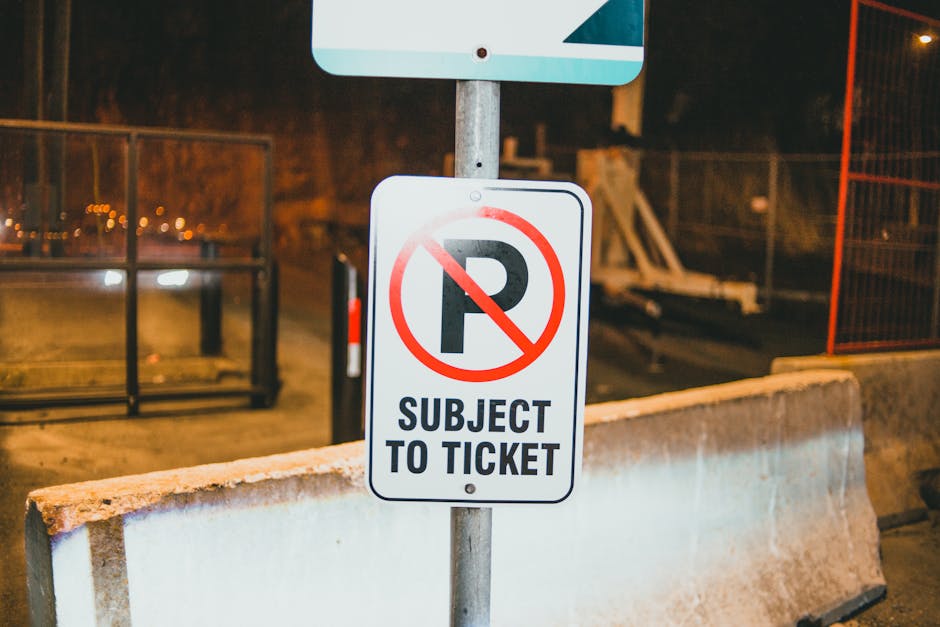
Do you need a removal permit? UK council parking and road rules
If you are moving house, delivering bulky items, or organising a van for a tight street, the first question is often not about boxes at all. It is this: do you need a removal permit? UK council parking and road rules can catch people out because the answer depends on where the vehicle will stop, how long it will stay, and what local restrictions apply. Some moves go ahead with no permit at all. Others need advance permission, a suspension, or at least a careful plan to avoid a fine and a very awkward morning.
This guide breaks it down in plain English. You will learn when a permit is usually needed, how council rules affect loading and unloading, what to check before moving day, and how to avoid the mistakes that tend to create stress at the worst possible time. If you are arranging a home move, home removals planning, or even a one-off collection, the parking side of the job deserves just as much attention as the packing side.
Table of Contents
- Why council parking and road rules matter
- How removal permits and restrictions work
- Key benefits and practical advantages
- Who this is for and when it makes sense
- Step-by-step guidance
- Expert tips for better results
- Common mistakes to avoid
- Tools, resources and recommendations
- Law, compliance, standards and best practice
- Options, methods and comparison table
- Case study or real-world example
- Practical checklist
- Conclusion
- Frequently Asked Questions
Why Do you need a removal permit? UK council parking and road rules Matters
In many UK streets, the real challenge is not moving the sofa through the front door. It is finding somewhere the van can legally stop long enough to load it. Council parking rules, yellow lines, resident bays, controlled parking zones, single-lane roads, time-limited waiting, and suspended bays can all affect a removal vehicle. And yes, sometimes the rules are stricter for a larger van or lorry than they are for a car.
Why does this matter so much? Because moving day is one of those moments when everything is already under pressure. People are carrying awkward items, neighbours are trying to pass, and the driver needs room to work safely. A bad parking decision can lead to delays, a penalty charge notice, or the van having to park a long way from the property. That means more walking, more lifting, and more risk. Nobody needs that on top of a fridge wrapped in blankets and a kettle packed too early.
There is also a safety angle. A vehicle that blocks traffic, obscures sight lines, or sits where pedestrians need to pass can create a real problem, especially in busy town centres and tight residential roads. In practice, council parking rules exist to keep traffic moving and reduce conflict. For movers, they are simply part of the job.
Expert summary: If a van, truck, or removal vehicle needs to stop in a restricted area, on a narrow road, or in a bay controlled by the council, assume a permit, dispensation, suspension, or special arrangement may be needed until you confirm otherwise.
How Do you need a removal permit? UK council parking and road rules Works
There is no single national removal permit that covers every street in the UK. That is the first thing to understand. Parking and loading rules are usually managed locally, and councils may use different terms for similar permissions. In one area, you might hear about a parking permit. In another, it might be a bay suspension, a skip permit, a loading dispensation, or a temporary parking waiver. The names vary; the purpose is similar.
In simple terms, a removal permit is permission to use a space or access route for moving purposes where normal parking or waiting rules would otherwise not allow it. Sometimes it allows the van to stop in a resident bay or controlled space. Sometimes it protects the area from being used by others on moving day. In some streets, you may not need a permit for a brief load if the rules allow loading and unloading, but that is not the same as being allowed to park for hours.
You should also think about the type of road. A quiet cul-de-sac is very different from a one-way street near a high street. Likewise, a permit may be unnecessary if the vehicle can use your driveway, forecourt, or private loading area. But if the only option is the kerb outside a terrace house on a red route, the rules can become much more specific, much quicker.
Here is the practical version:
- No permit needed: the vehicle can stop legally in a normal unrestricted space or private access point.
- Permit or dispensation likely needed: the vehicle must use a bay, loading area, or restricted street space for longer than normal loading allowance.
- Extra planning needed: the road is narrow, permit-controlled, or has timed restrictions that could clash with the move.
If you are booking a larger vehicle, such as a moving truck or a removal truck hire option, the size of the vehicle can make a big difference. A small van may fit in a legal loading space where a lorry cannot, and that matters more than people sometimes expect.
Key Benefits and Practical Advantages
Getting the parking side right sounds mundane. Truth be told, it is one of the best ways to keep a move calm. A proper permit or parking plan can save time, reduce labour, and stop the day drifting into frustration.
- Less delay: the vehicle can park closer to the property, which speeds up loading and unloading.
- Lower risk of penalties: fewer chances of receiving a parking ticket or being forced to move the van repeatedly.
- Safer carrying: shorter walking distances reduce the chances of bumping furniture, tripping, or damaging items.
- Better use of labour: the team spends more time moving goods and less time shuttling between the van and the door.
- Cleaner communication: everyone knows where the vehicle will go and how long it can stay.
There is also a customer experience benefit. When parking is sorted, the move feels more organised. You know where the van will sit. You know whether neighbours may need to be warned. You know whether a bay suspension or permit confirmation needs to be printed, saved, or shown to the driver. That little bit of certainty can take a surprising amount of tension out of the day.
For business moves, the benefit is even clearer. A commercial relocation often involves tight schedules, staff access, and deliveries arriving in sequence. If you are planning commercial moves support or office relocation services, parking permissions can be just as important as access to the building itself.
Who This Is For and When It Makes Sense
This topic is relevant to more people than you might think. It is not only for full house moves. A permit or road-use check can matter whenever a vehicle needs to stop near a property, especially in built-up areas.
Typical situations where it matters
- Moving house from a terraced street, flat, or busy urban road
- Using a van for a furniture collection or bulky delivery
- Relocating office equipment or stock in a commercial area
- Parking on a council-controlled bay, yellow-lined street, or loading zone
- Moving into a conservation area, estate road, or permit-controlled neighbourhood
If you are handling a small move yourself, the parking question still applies. A man and van service or man with van booking can seem simple, but the vehicle still has to stop somewhere sensible. The same is true for a one-off collection such as a sofa or wardrobe. Even a short stop can be enough to trigger a restriction if the timing or location is off.
It is also worth noting that not every move needs formal paperwork. If you can use private off-street parking, a driveway, or a loading area with permission, the council may not need to be involved. That said, never assume. A quick check can spare you from that sinking feeling when a driver comes back to find a note on the windscreen. Not ideal, really.
Step-by-Step Guidance
Here is a practical way to handle it without making the process harder than it needs to be.
- Check the exact address and street conditions. Look for yellow lines, resident bays, loading restrictions, time plates, bus lanes, school streets, and controlled parking zones.
- Decide what vehicle is being used. A small van, larger removal vehicle, or truck can face different access constraints.
- Ask whether the vehicle must wait or just stop briefly. Loading and parking are not the same thing, and local rules often treat them differently.
- Confirm whether private access exists. A driveway, forecourt, shared courtyard, or secure loading area may remove the need for a permit.
- Check council requirements early. Some permissions need notice. Others are limited to specific times or weekdays.
- Plan for real-world delays. Traffic, lift access, neighbours, and narrow stairwells all affect how long the vehicle needs to stay put.
- Keep confirmation handy. If a permit, dispensation, or bay suspension is granted, make sure the driver can access the details easily.
For families planning a full relocation, this works best when it is built into the moving plan, not left until the night before. If you are also arranging packing and unpacking services or looking into house removalists, parking should sit in the same checklist as keys, inventory, and fragile items.
One useful habit: stand outside the property and look at it as a driver would. Where would the van stop? Would doors open safely? Can a person carry a sofa without stepping into traffic? That tiny bit of street-level thinking often reveals the issue straight away.
Expert Tips for Better Results
These are the sorts of practical details that make the difference between a move that flows and one that turns into a bit of a scramble.
- Measure the street, not just the room. A large van may be fine on paper but awkward in reality if the road is tight or curved.
- Think about vehicle height and turning room. Low arches, overhanging trees, and narrow entrances matter more than people expect.
- Book earlier for busy areas. Town centres and dense residential zones often need more lead time for parking arrangements.
- Use clear labels for drivers. If a permit or bay suspension is involved, mark it clearly and keep a copy accessible.
- Coordinate with neighbours politely. A quick heads-up can prevent complaints when a vehicle needs to block part of the road for a short period.
- Build in buffer time. Little delays stack up. A lift takes longer, a wardrobe is heavier than expected, and suddenly the slot is tighter than you thought.
Also, if the job involves heavy or multiple items, a larger vehicle may be more efficient than several smaller trips. That can reduce parking conflicts overall. In some cases, a single properly planned stop is far better than three rushed ones.
Common Mistakes to Avoid
Most permit problems are avoidable. The tricky bit is that they often happen because the move seemed straightforward at the outset. Here are the usual slip-ups.
- Assuming loading is always allowed: some roads permit short loading, others do not, and restrictions can change by time of day.
- Forgetting vehicle size: a permit arrangement that works for a car or small van may not suit a larger removal vehicle.
- Leaving it too late: some councils need advance notice, and last-minute requests may be refused.
- Not checking street signs properly: the clue is often right there on the lamp post, quietly doing its job.
- Overlooking private road rules: not all access is council-controlled; estates and shared driveways may have their own conditions.
- Misunderstanding parking versus stopping: a short unload may be treated differently from leaving a vehicle in place for the whole morning.
Another common mistake is treating one property as if it behaves like every other one on the same road. It does not always. A dropped kerb, shared access, school gate, or turning circle can change the whole picture. Small detail, big consequences.
Tools, Resources and Recommendations
You do not need fancy software to get this right, but a few simple tools help a lot.
- Street view or a site visit: useful for checking access, bay markings, and road width.
- Moving-day timeline: a basic plan showing when the van arrives, when loading starts, and when keys are expected.
- Permit confirmation details: keep the name of the permission, the dates, and any vehicle registration notes together in one place.
- Property access notes: door codes, lift bookings, and loading bay instructions should be written down early.
- Paper and digital copies: carry confirmation in both forms where possible, because phones do misbehave at the wrong time.
If you are comparing moving support, it can help to review the wider service offering as well. Some moves are straightforward, while others need more coordination, vehicle choice, or loading help. Options like man with van, moving truck, or removal truck hire can suit different access situations. For a clearer idea of service planning and budgeting, see pricing and quotes.
Law, Compliance, Standards and Best Practice
Parking and road rules in the UK are shaped by local authority controls, traffic regulations, and on-street signage. That means the safest approach is to treat the signs and local council guidance as the deciding factor for the street in question. There is no single universal moving permit that overrides them all.
Best practice usually includes the following:
- Check the street signs before booking the vehicle
- Confirm whether stopping for loading is permitted at the required time
- Allow enough space for safe access for both pedestrians and the moving crew
- Keep any authorisation or dispensation available to show if required
- Make sure the vehicle does not obstruct emergency access, dropped kerbs, or crossings
If a property is in an area with stricter controls, the safest course is to assume there may be a council process to follow. That is especially true where road space is limited, where bays are heavily used, or where larger commercial vehicles are involved. For companies and landlords, this can also tie into broader duty-of-care and safety planning, which is why operational support from services such as office relocation services often includes access checks as standard.
One important distinction: a permit does not replace common sense. Even when permission exists, the driver still needs to park safely and responsibly. And if the road is unsuitable, a permit may not solve the practical issue anyway.
Options, Methods and Comparison Table
Different moving situations call for different parking approaches. Here is a straightforward comparison.
| Option | When it suits | Pros | Watch-outs |
|---|---|---|---|
| Private driveway or forecourt | Homes with direct off-street access | No council parking issue, usually quickest | May still need space for turning or loading safely |
| Unrestricted street parking | Quiet roads with no special controls | Simple and flexible | Spaces can disappear quickly |
| Council loading bay or dispensation | Restricted streets with controlled stopping | Closer access, more predictable | May require notice and exact timing |
| Bay suspension | Busy roads where a space needs reserving | Protects the space for your move | Usually needs advance arrangement |
| Multiple short trips | Very limited access or small loads | May avoid larger vehicle restrictions | Can take longer and increase handling work |
There is no perfect option for every move. The best choice depends on the road, the vehicle, and the size of the job. A compact flat move in a side street is one thing. A full family house with wardrobes, mattresses, and boxes stacked to the ceiling is another altogether.
Case Study or Real-World Example
Imagine a couple moving out of a Victorian terrace on a narrow London street. On paper, the property looks manageable. In reality, the road has resident bays, yellow lines, and very limited turning room. The removal van cannot simply stop outside for an hour and hope for the best.
The couple first check whether there is a driveway. There is not. They then look at the street signs and realise loading is only permitted during certain times, with parking restrictions the rest of the day. Because the van will need to stay longer than a quick drop-off, they arrange the parking side in advance and choose a vehicle that can work within the available space. They also warn neighbours the day before.
On moving day, the van arrives with clear parking instructions, the team knows exactly where to stand, and the first load goes out without a fuss. The move is still busy, because moving always is, but it is controlled. No wandering vehicle. No rushed reshuffling. No last-minute panic. Just a good, steady start, which honestly sets the tone for the whole day.
That is the real benefit of handling permits and parking properly. It is not glamorous, but it keeps the rest of the move from wobbling.
Practical Checklist
Use this before moving day. It keeps things simple.
- Confirm the full address and street type
- Check for yellow lines, controlled bays, or loading restrictions
- Decide which vehicle will be used
- Check whether loading time limits apply
- Look for private parking or off-street access
- Arrange any council permit, dispensation, or suspension needed
- Keep permission details handy for the driver
- Tell neighbours if the road may be partially blocked
- Plan for traffic, lift access, and delays
- Recheck everything the day before the move
If you are still comparing how much support you need, it can help to look at the full move type first. For some people, a simple furniture pick-up is enough. Others need a more complete service with packing, transport, and unloading. The right setup is the one that suits the street as well as the house.
Conclusion
So, do you need a removal permit? UK council parking and road rules make the answer depend on the street, the vehicle, and how long the move will take. If the van can legally stop without special permission, you may not need one. If the road is controlled, tightly parked, or time-restricted, a permit, dispensation, or alternative plan may be essential.
The safest approach is simple: check the road first, match the vehicle to the access, and treat parking as part of the move rather than an afterthought. That small bit of planning can save time, reduce stress, and make the whole day feel more manageable. And on a moving day, that really matters.
If you want a clearer idea of the right moving support for your property, vehicle size, or access conditions, it is worth exploring the options and getting tailored help early.
Get a free quote today and see how much you can save.
Frequently Asked Questions
Do I always need a removal permit for a house move in the UK?
No. If the vehicle can park legally in an unrestricted space or private driveway, a permit may not be needed. The need usually arises when parking restrictions, loading limits, or council-controlled spaces apply.
What is the difference between a parking permit and a removal permit?
A parking permit is usually for general parking rights in a controlled area, while a removal permit or dispensation is linked to a specific moving activity. Councils may use different terms, but the purpose is often temporary access for loading or unloading.
Can a van stop on double yellow lines to load furniture?
Sometimes loading may be allowed briefly, but it depends on the local rules, time of day, and road conditions. Never assume it is allowed just because the stop is short. Street signs matter most.
How far in advance should I arrange a council permit for moving day?
As early as possible. Some councils need notice, and some permissions are easier to secure when requested well before the move. Leaving it to the last minute is a common reason plans fall apart.
Does a permit cover both the van and the loading space?
Not always. Some permissions apply to a specific bay or stretch of road, while others are linked to the vehicle registration or time window. Read the confirmation carefully so you know exactly what is covered.
What happens if I park without the right permission?
You risk a parking penalty, delay, or being asked to move the vehicle. In a tight street, that can slow the whole move down and make loading much harder than it needs to be.
Do I need a permit for a man and van booking?
Sometimes yes, sometimes no. It depends on where the van will stop and for how long. A smaller vehicle still has to follow the same road and parking rules.
Are removal truck rules stricter than van rules?
Often they can be, simply because larger vehicles need more space and may face tighter access limits. A truck may also be unsuitable for narrow roads even where a small van would fit.
What if I am moving into a flat with no driveway?
That is exactly when parking needs extra attention. Flat moves often rely on street parking, communal bays, or managed access, so check the local rules and building instructions in advance.
Can neighbours object if a removal van blocks the road?
They can raise concerns if the vehicle is parked badly or causes obstruction. That is why it helps to keep the stop as short and safe as possible, and to give notice where practical.
Is there a difference between loading and parking for council rules?
Yes, and it matters a lot. Loading usually means actively moving goods between the property and the vehicle. Parking means leaving the vehicle there. The rules may treat those two activities very differently.
Should I choose a smaller vehicle to avoid permit problems?
Sometimes a smaller vehicle is easier to place legally, especially on narrow roads. But it may require more trips, so the better choice depends on access, distance, and the size of the load. It is a balance, really.
For more details on how moving services are organised and what support might suit your situation, you can also review about us, insurance and safety, and health and safety policy. A well-planned move always starts with the basics done properly.