Moving Van Sustainability & Recycling
 At Moving Van we place sustainability at the heart of every relocation. Our Moving Van fleet and teams aim to reduce waste, increase reuse and partner with the community to keep items in circulation rather than consigning them to landfill. Our recycling percentage target is clear: we aim to divert 80% of recoverable materials from disposal into recycling or reuse streams by 2028. This goal applies across household moves, office clear-outs and estate relocations carried out by our moving van services.
We track the lifecycle of items collected during moves and regularly report progress internally. The moving van crews are trained to separate common reuse categories — textiles, furniture, electronics, and kitchenware — at collection points so that usable items are routed to partners rather than transfer stations for disposal. Simple on-site separation and tagging mean fewer items are sent to landfill and more find second lives through donation or remanufacturing.
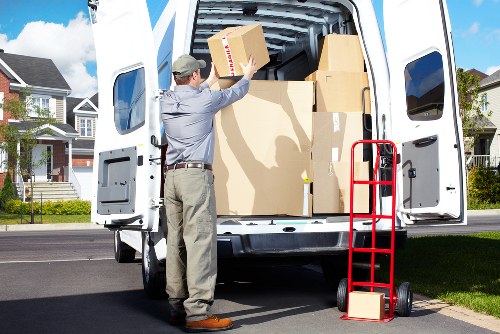 Our approach reflects local boroughs' methods for waste separation: dry recycling for paper and plastics, separate food waste bins where available, and dedicated glass and textile collections. We work closely with municipal transfer stations and materials recovery facilities in nearby boroughs to ensure cardboard, mixed recyclables and bulky items are processed correctly. That coordination helps our relocation teams comply with municipal rules while improving overall recycling rates generated by our moving vans.
Local Transfer Stations and Materials Handling
Moving Vans operate with clear routing to local transfer stations and authorised reuse centres. When a relocation generates recoverable materials, our drivers direct those loads to municipal transfer stations or partner MRFs that accept separated streams. We do not mix hazardous wastes with recyclables and adhere to borough-specific guidelines, including the separation of food waste where the local authority requires it. This reduces contamination and increases the efficiency of the recycling chain for the entire community.
 We use a simple checklist at the point of collection so crews can identify items that are better suited to donation, specialist recycling (such as e-waste and mattresses), or municipal sorting. For bulky wooden furniture we favour local reuse centres and furniture banks; for small electronics we use certified e-waste processors. This targeted sorting supports our 80% diversion target and reduces the carbon intensity of downstream processing.
There are practical benefits to this system: shorter vehicle dwell times at facilities, lower contamination rates, and increased volumes of reusable goods moved back into the community. Our relocation van crews receive ongoing training on borough-specific waste separation rules — for example, separating glass from mixed recyclables in areas that require it, or preparing textiles for donation instead of accepting them as mixed refuse.
Partnerships, Reuse and Low-Carbon Transport
We have active partnerships with charities and social enterprises to ensure useful items are reused. Our Moving Vans team works with furniture banks, homelessness charities, youth employment workshops and community reuse centres to channel gently-used goods to those who need them. Partner organisations collect items from our depots or accept scheduled drop-offs, enabling us to reduce waste while supporting local social outcomes.
 Sustainability for a moving van operation is not only about materials but also about transport. We operate a growing fleet of low-carbon vans, including fully electric and plug-in hybrid vehicles, and we are testing alternative fuels for larger moves. Route optimisation software reduces mileage and idling time, and regular driver training emphasises eco-driving techniques that lower fuel consumption for every relocation job.
 To reinforce these actions we maintain transparent performance targets and annual reviews. Our eco-moving van strategy includes vehicle electrification, battery management, and prioritising electric van allocation for inner-city jobs where zero tailpipe emissions deliver the greatest air quality benefit. Combining low-emission vehicles with high diversion rates from landfill helps Moving Van reduce the climate impact of relocations while improving circular outcomes for the community.
How we measure success:
- Recycling percentage target: 80% diversion of recoverable materials by 2028.
- Local coordination: Direct routes to borough transfer stations and MRFs.
- Charity partnerships: Regular donations to furniture banks and community reuse centres.
- Low-carbon fleet: Increasing number of electric and hybrid vans and smarter routing.
Moving Van is committed to continuous improvement: we review outcomes, update training and grow our network of reuse partners so relocations become an opportunity to recycle, donate and reduce emissions. By choosing a sustainable moving van or relocation van service, clients help turn moving day into a positive environmental action that benefits local boroughs and the planet.